
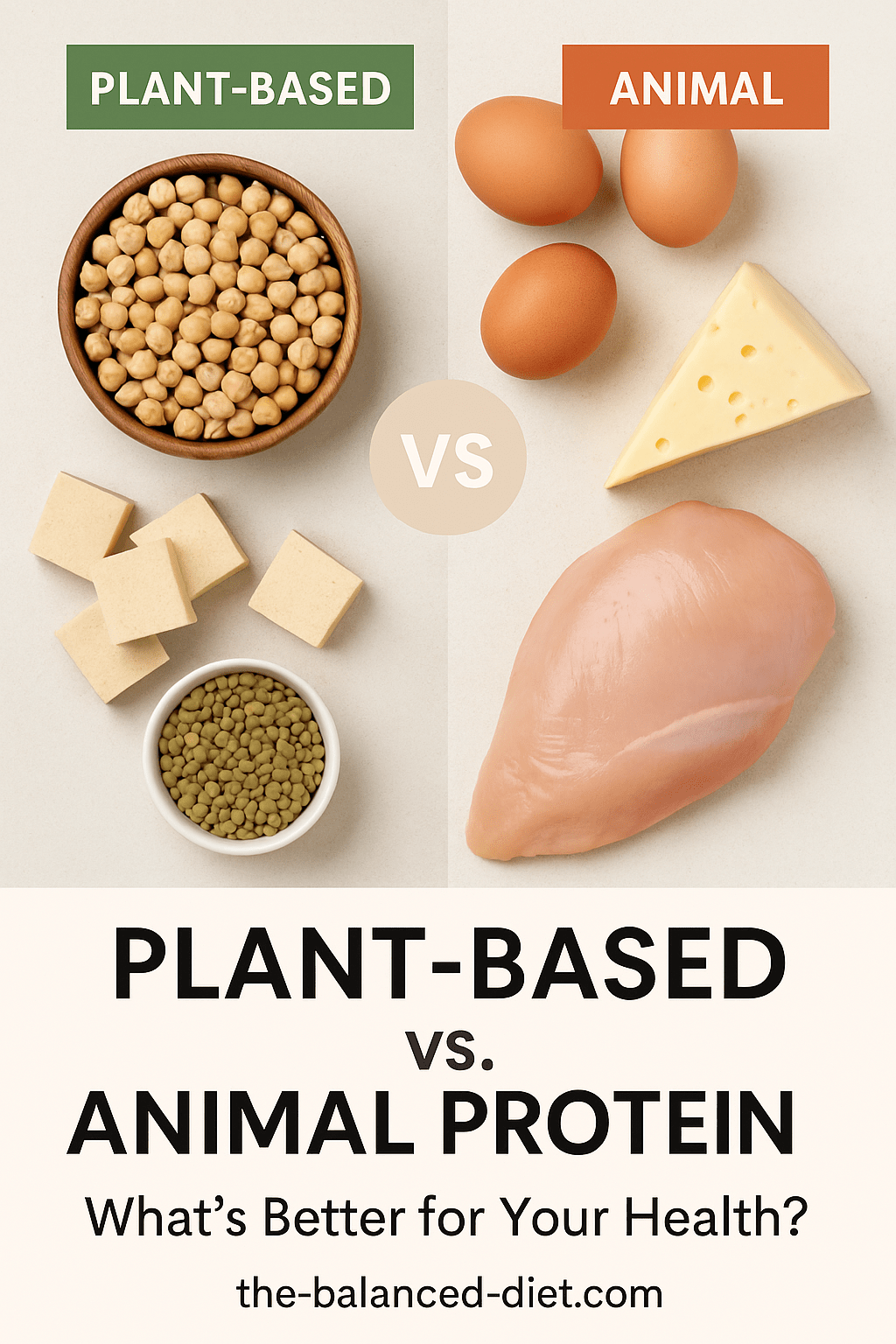
🌱 Plant-Based vs. Animal-Based Protein: Which Is Better for Your Health?
As more individuals explore plant-based diets for ethical, environmental, or health reasons, understanding the distinctions between plant and animal proteins becomes essential. Protein plays a vital role in bodily functions, and the source of protein can influence overall health.
🧬 Understanding Protein and Amino Acids
Proteins are composed of 20 amino acids, nine of which are essential—meaning our bodies cannot produce them, and they must be obtained through diet.
- Complete Proteins: Contain all nine essential amino acids. Typically found in animal products like meat, poultry, fish, eggs, and dairy. Some plant sources, such as quinoa and soy, also provide complete proteins.
- Incomplete Proteins: Lack one or more essential amino acids. Common in most plant-based sources. However, consuming a variety of plant proteins can ensure adequate intake of all essential amino acids.
🥩 Animal-Based Protein: Benefits and Considerations
Pros:
- High-Quality Protein: Animal proteins are complete and highly digestible.
- Rich in Nutrients: Provide essential nutrients like vitamin B12, iron, and omega-3 fatty acids.
Cons:
- Saturated Fat and Cholesterol: Some animal products are high in saturated fats, which can impact heart health.
- Health Risks: Excessive consumption of red and processed meats has been linked to increased risks of certain diseases.
🥦 Plant-Based Protein: Benefits and Considerations
Pros:
- Heart Health: Diets rich in plant proteins are associated with lower risks of heart disease and stroke.
- Fiber Content: Plant proteins often come with dietary fiber, aiding digestion and promoting satiety.
- Lower Saturated Fat: Generally contain less saturated fat compared to animal proteins.
Cons:
- Incomplete Proteins: May require combining different plant sources to obtain all essential amino acids.
- Lower Bioavailability: Some plant proteins are less bioavailable, meaning the body may absorb them less efficiently.
High-Protein Plant Foods
Incorporating a variety of plant-based proteins can help meet nutritional needs:
- Edamame (½ cup): 8.5g protein
- Tempeh (½ cup): 15g protein
- Cooked lentils (½ cup): 9g protein
- Peanuts (½ cup): 20g protein
- Almonds (½ cup): 15g protein
- Cooked chickpeas (½ cup): 7g protein
- Chia seeds (1 tbsp): 2g protein
- Kale (1 cup): 2g protein
🍽️ Combining Proteins for Optimal Nutrition
For those following a plant-based diet, combining various protein sources can ensure a complete amino acid profile. Examples include:
- Rice and Beans: Together, they provide all essential amino acids.
- Hummus and Whole-Grain Pita: Combines legumes and grains for a complete protein.
- Tofu Stir-Fry with Vegetables and Quinoa: Offers a mix of complete and incomplete proteins.
🏋️♂️ Protein and Muscle Health
Both plant and animal proteins can support muscle health, but some studies suggest animal proteins may be more effective in promoting lean muscle mass, especially in younger adults.
🌍 Environmental Impact
Plant-based proteins generally have a lower environmental footprint, requiring less land, water, and energy to produce compared to animal proteins.
✅ Conclusion
Both plant-based and animal-based proteins have their unique benefits and considerations. Incorporating a variety of protein sources can help meet nutritional needs while aligning with personal health goals and ethical values. Consulting with a healthcare professional or registered dietitian can provide personalized guidance tailored to individual dietary preferences and health requirements.
 The Balanced Diet
Leave a comment