
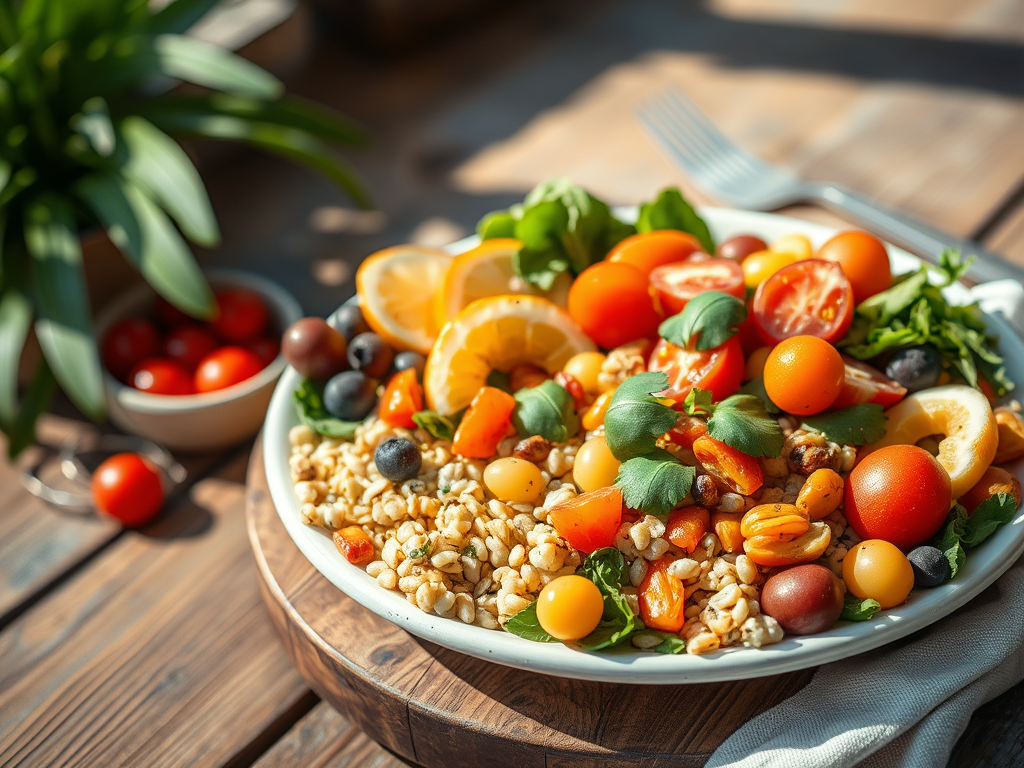
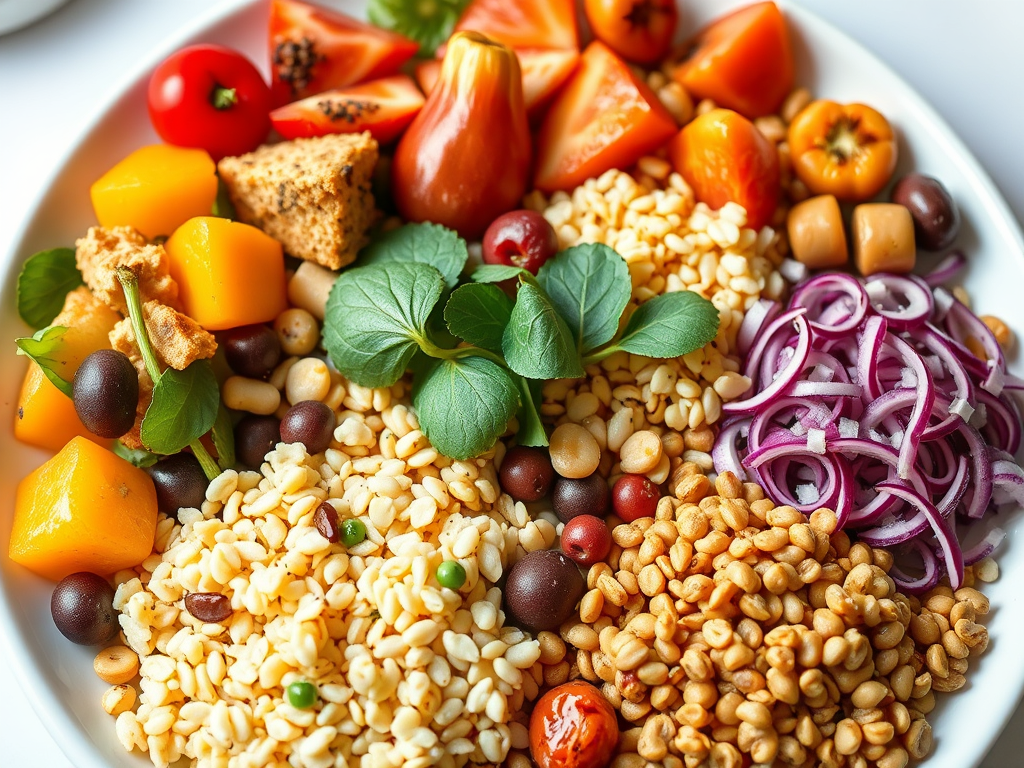
Starting a plant-based diet can feel confusing at first. What should you eat? How do you get enough protein? This beginner-friendly guide explains exactly what to include in your meals, simple food swaps, and easy plant-based meal ideas.
🌿 What Is a Plant-Based Diet?
A plant-based diet emphasizes whole plant foods like fruits, vegetables, grains, legumes, nuts, and seeds. It minimizes or eliminates animal-based products such as meat, dairy, and eggs.
Types of plant-based diets:
- Flexitarian: Mostly plant-based, includes occasional meat or dairy
- Vegetarian: No meat or fish, may include dairy and/or eggs
- Vegan: No animal products at all
No matter the version, the focus is on minimally processed, nutrient-rich plant foods.
🥗 Core Food Groups to Include
For a balanced and nutritious plant-based diet, include the following food groups daily:
1. Vegetables (3–5 servings/day)
Rich in fiber, vitamins, and antioxidants.
Examples: kale, spinach, carrots, broccoli, bell peppers.
2. Fruits (2–4 servings/day)
Great sources of vitamin C, potassium, and natural sugars.
Examples: berries, bananas, apples, oranges, mangoes.
3. Whole Grains (4–6 servings/day)
Provide energy, B vitamins, and fiber.
Examples: oats, brown rice, whole wheat pasta, quinoa.
4. Legumes (1–3 servings/day)
High in protein, iron, and fiber.
Examples: lentils, chickpeas, black beans, peas.
5. Nuts and Seeds (1–2 servings/day)
Healthy fats, plant protein, and minerals like zinc and magnesium.
Examples: almonds, chia seeds, flaxseeds, sunflower seeds.
6. Plant-Based Protein Alternatives
Helpful for variety and boosting protein intake.
Examples: tofu, tempeh, edamame, seitan, fortified plant-based protein powders.
⚖️ The Key to a Balanced Plant-Based Diet
To avoid nutrient deficiencies, pay close attention to these five key nutrients:
Protein
Aim for 0.8–1g of protein per kg of body weight daily. Combine legumes, grains, nuts, and seeds for complete amino acid coverage.
Iron
Plant iron (non-heme) is less absorbable, but vitamin C improves uptake. Pair lentils with tomatoes or citrus fruits for better absorption.
Vitamin B12
Not naturally found in plant foods. Consume fortified foods (plant milk, cereals) or take a supplement.
Calcium
Essential for bone health. Look for calcium-set tofu, fortified plant milk, kale, and almonds.
Omega-3 Fatty Acids
Important for heart and brain health. Best sources include chia seeds, flaxseeds, walnuts, and algae-based supplements.
🥄 Easy Plant-Based Meal Ideas
Here are a few beginner-friendly meals that are balanced and tasty:
- Breakfast: Overnight oats with chia seeds, almond milk, and berries
- Lunch: Quinoa salad with chickpeas, cherry tomatoes, and tahini dressing
- Snack: Raw veggies with hummus or a handful of mixed nuts
- Dinner: Stir-fried tofu with brown rice and steamed broccoli
- Dessert: Baked banana with peanut butter and dark chocolate
🧠 Final Tips for Getting Started
- Start slow – Begin with one or two plant-based days each week
- Batch cook – Prep grains, legumes, and roasted veggies in advance
- Read labels – Check for added sugar, salt, and additives in plant-based products
- Consider supplements – B12, D, and omega-3 may be necessary
- Work with a dietitian – Especially if you have special dietary needs
🌱 Final Thoughts
A plant-based diet can be incredibly rewarding for your health, your tastebuds, and the planet. Focus on variety, prioritize key nutrients, and give yourself space to experiment. You don’t need to be perfect—just take one step at a time toward more plants on your plate.
 The Balanced Diet
Leave a comment