
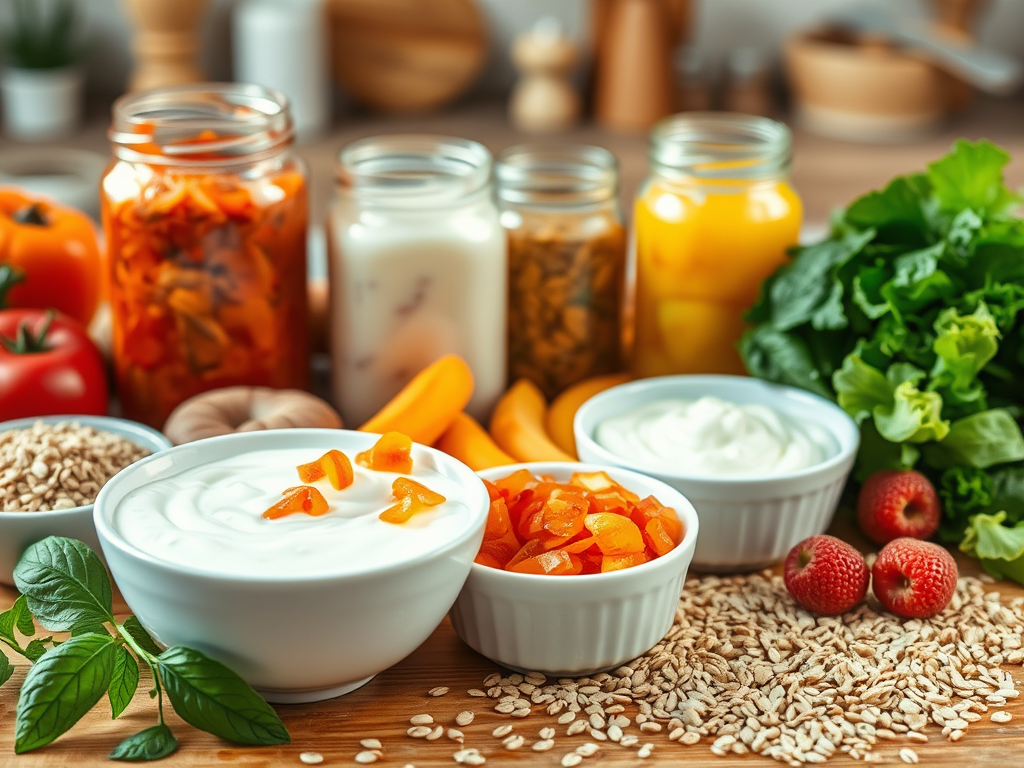
When it comes to feeling your best every day, your gut health plays a major role. From digestion and immune support to your mood and energy levels, your gut—home to trillions of bacteria—affects more than you might think. The good news? What you eat can make a big difference.
In this post, we’ll explore the top 7 foods that support a healthy gut, along with common foods you might want to limit. Whether you’re dealing with bloating, irregularity, or just looking to boost your overall wellness, this guide is for you.
Why Gut Health Matters
Your gut is home to the gut microbiome—a community of bacteria, yeasts, and other microorganisms that live mainly in your intestines. A healthy, balanced microbiome helps you:
- Digest food better
- Absorb nutrients efficiently
- Strengthen your immune system
- Reduce inflammation
- Even support your mental health (hello, gut-brain connection!)
An imbalance in your gut bacteria, known as dysbiosis, has been linked to conditions like irritable bowel syndrome (IBS), constipation, fatigue, skin problems, and more.
Now let’s dive into the best foods for gut health—and which ones to enjoy less often.
Top 7 Gut-Friendly Foods
1. Yogurt with Live Cultures
Yogurt is rich in probiotics—live beneficial bacteria that can help replenish your gut microbiome. Look for labels that say “live and active cultures” to make sure you’re getting the good stuff.
Choose plain, unsweetened yogurt to avoid added sugars that can harm gut bacteria.
Bonus tip: Greek yogurt offers extra protein and less lactose, which may be gentler on sensitive stomachs.
2. Fermented Foods
Fermented foods are natural sources of probiotics. They help increase the diversity of good bacteria in your gut.
Top choices include:
- Kefir (fermented milk drink)
- Sauerkraut (fermented cabbage)
- Kimchi (spicy Korean-style fermented vegetables)
- Miso (fermented soybean paste)
- Tempeh (fermented soy product)
These foods not only support gut health but also add flavor and nutrients to your meals.
3. Prebiotic-Rich Foods
Unlike probiotics, prebiotics are types of fiber that feed your gut bacteria. They help good bacteria grow and thrive.
Great prebiotic foods include:
- Garlic
- Onions
- Leeks
- Bananas (especially slightly green ones)
- Asparagus
- Oats
- Apples (with the skin)
Aim to include a variety of these plant-based foods in your diet regularly.
4. Whole Grains
Whole grains like brown rice, quinoa, barley, and oats are high in fiber, which supports gut health by feeding good bacteria and keeping your digestion regular.
Soluble fiber (found in oats and barley) also helps reduce inflammation and support heart health.
5. Beans and Lentils
Legumes are packed with fiber, resistant starch, and plant-based protein—a trio that fuels your gut microbes and helps regulate bowel movements.
Start with small amounts if you’re not used to high-fiber foods, and drink plenty of water to avoid gas and bloating.
6. Berries
Berries are rich in polyphenols, plant compounds that act like antioxidants and help promote the growth of good gut bacteria.
Blueberries, raspberries, blackberries, and strawberries are excellent choices. They’re also low in sugar and high in fiber—perfect for a gut-friendly snack or smoothie.
7. Bone Broth
Bone broth contains collagen, gelatin, and amino acids that may help support the gut lining. While more research is still emerging, many people find bone broth soothing for digestive discomfort.
Look for low-sodium versions or make your own at home using bones, herbs, and vegetables simmered for hours.
Foods That Can Harm Gut Health
While it’s important to add more gut-friendly foods, it’s equally helpful to cut back on foods that disrupt your gut microbiome:
❌ 1. Added Sugars
Too much sugar can feed harmful bacteria and yeast, leading to imbalance. It’s also linked to inflammation.
❌ 2. Artificial Sweeteners
Some sweeteners like aspartame and sucralose may negatively affect gut bacteria, even in small amounts.
❌ 3. Highly Processed Foods
Packaged snacks, instant meals, and processed meats often lack fiber and contain additives that can damage gut health.
❌ 4. Excess Alcohol
Alcohol irritates the gut lining and disrupts the balance of bacteria. Limit your intake and drink water alongside it.
❌ 5. Fried and Greasy Foods
These are harder to digest and may slow down your digestion, contributing to gas and discomfort.
Final Thoughts
A healthy gut starts with a healthy plate. By adding probiotic- and prebiotic-rich foods, fiber, and plant-based diversity to your diet—and limiting processed and sugary foods—you support a balanced microbiome and better overall health.
If you’re dealing with persistent digestive symptoms, consider working with a registered dietitian for a personalized gut health plan.
 The Balanced Diet
Leave a comment