
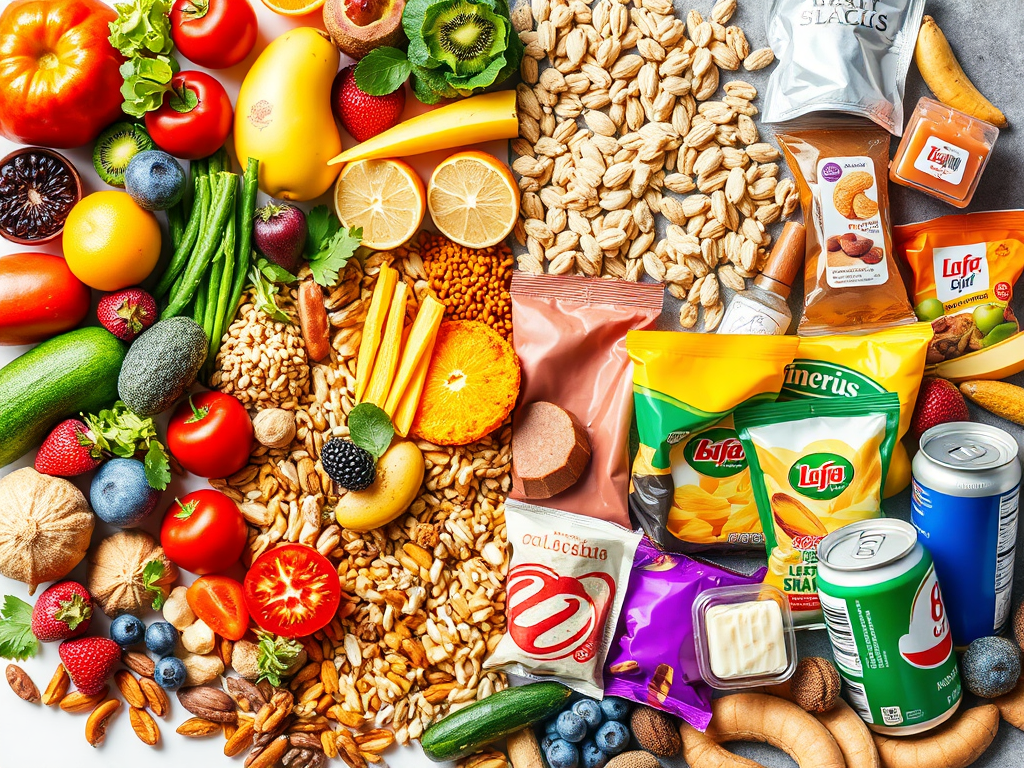
In today’s world of trendy diets and food marketing, the terms “whole foods” and “processed foods” are used a lot. But what do they really mean, and how do they affect your health?
Let’s break it down in simple terms — backed by science — so you can make confident, balanced food choices.
🌽 What Are Whole Foods?
Whole foods are natural or minimally altered foods. They’re close to how nature made them—without long ingredient lists, added sugars, preservatives, or artificial colors.
Examples of whole foods:
- Fresh fruits and vegetables
- Whole grains (like oats, brown rice, quinoa)
- Beans and legumes
- Eggs
- Fresh meat or fish (without added ingredients)
- Unsalted nuts and seeds
- Milk and plain yogurt
Whole foods are packed with vitamins, minerals, fiber, and antioxidants, which support your body and brain without unnecessary additives.
🧃 What Are Processed Foods?
Processed foods are any foods that have been changed from their natural form. That includes things like washing, freezing, canning, or adding ingredients like salt, sugar, or fat.
Not all processing is bad but the more a food is changed, the more it can lose nutrients and gain ingredients that harm your health when eaten too often.
Types of processed foods:
✅ Minimally processed:
- Frozen vegetables
- Canned beans (low sodium)
- Whole wheat pasta
- Plain yogurt
⚠️ Heavily processed (aka ultra-processed):
- Chips and sugary snacks
- Soda and flavored drinks
- Instant noodles
- Frozen meals
- Flavored breakfast cereals
These ultra-processed foods often contain refined sugar, unhealthy fats, excess salt, and artificial additives — all linked to health issues like obesity, diabetes, and heart disease.
🧠 Why Whole Foods Are Better for You
Eating more whole foods is linked to:
✅ Lower risk of chronic diseases
✅ More stable energy and blood sugar
✅ Better digestion
✅ Stronger immune system
✅ Fewer food cravings
They give your body the nutrients it needs, without the junk it doesn’t.
🚨 The Downsides of Ultra-Processed Foods
Research shows that ultra-processed foods can:
- Increase overeating (they’re made to be addictive)
- Spike blood sugar and insulin
- Harm gut health
- Increase inflammation
- Raise your risk of heart disease and certain cancers
One major study from the National Institutes of Health (NIH) found that people who ate ultra-processed diets consumed about 500 more calories per day without realizing it.
⚖️ It’s All About Balance
You don’t have to give up convenience or your favorite treats forever. Instead, focus on making smart swaps and choosing whole foods more often.
Simple tips:
- Check ingredient labels (shorter is usually better)
- Choose water or herbal tea over sugary drinks
- Try baking instead of buying packaged snacks
- Use whole grains like quinoa or brown rice
- Add more fresh fruits and veggies to meals
🥗 Final Thoughts
So what’s the real difference between whole and processed foods?
Whole foods are nutrient-rich, natural, and nourishing.
Heavily processed foods are convenient but often low in nutrition and high in harmful ingredients.
You don’t need to eat perfectly but aiming for real, whole, colorful foods most of the time is a powerful step toward better health.
 The Balanced Diet
Leave a comment